Roman Fiction: Bridging Timeless Calligraphy and Modern Design
The Soul of the Typeface
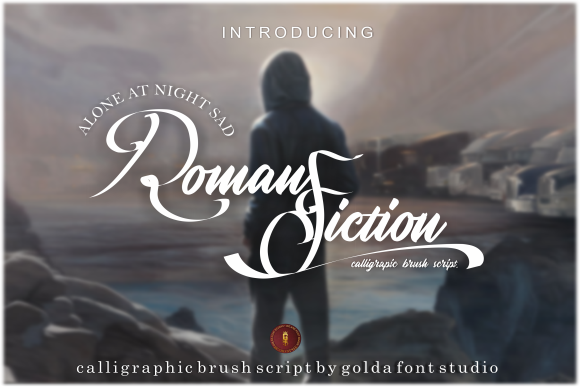
There is a specific challenge in design that involves balancing history with modernity. You want the elegance of the past, but you need the functionality of the present. This is precisely where Roman Fiction enters the conversation. It is not merely a collection of letters; it is an elegant script font that breathes with a contemporary atmosphere while respecting impeccable form. Inspired by the timeless art of classic calligraphy, this typeface offers a sophisticated solution for creators who find standard fonts too rigid and traditional scripts too difficult to read.
When you first encounter Roman Fiction, you notice the weight. It occupies a "Goldilocks" zone in typography—it is neither too thin to disappear on a busy background, nor too thick to feel heavy or dated. The strokes are balanced and varied, mimicking the natural pressure changes of a human hand holding a brush or pen. This variation is crucial. It gives the font a living, breathing quality that static, uniform fonts often lack. For designers, entrepreneurs, and content creators, this means you are working with a typeface that adds instant personality without sacrificing legibility.
A Tool for Every Creative Vision
Understanding where Roman Fiction fits into your workflow requires looking at the specific strengths of the script style. Because it draws from calligraphy, it excels in projects where emotion and elegance are paramount. However, because it is designed with a contemporary edge, it avoids the stuffiness often associated with Victorian or overly ornate scripts.
Branding and Logo Design
For entrepreneurs building a brand identity, Roman Fiction offers a distinct advantage. A logo sets the tone for your entire business. If you are in the wedding industry, high-end fashion, beauty, or boutique hospitality, this font communicates luxury and attention to detail. It acts as a visual shorthand for quality. However, it is versatile enough for a lifestyle blog or a creative agency that wants to appear approachable yet professional. When using it for logo design, pay attention to the letter connections. The natural flow of the script helps create a cohesive mark that feels handcrafted.
Editorial and Packaging Design
In the realm of editorial design, hierarchy is everything. You need to guide the reader's eye from the headline to the sub-header and finally to the body copy. Roman Fiction serves as an exceptional display font for headlines. Its intricate details draw the eye, while its structure ensures the words are read quickly. Imagine a magazine cover or a book title where the typography needs to evoke a specific mood instantly—this font delivers that impact.
Similarly, in packaging design, shelf appeal is non-negotiable. Whether you are designing labels for artisanal goods, cosmetics, or stationery, the script adds a tactile quality to the visual experience. It suggests that the product inside is made with care. The balanced stroke width ensures that the text remains legible even on smaller labels, a common pitfall with thinner script fonts.
Digital Presence and Social Media
The digital landscape often favors sans serif fonts for their screen readability, but Roman Fiction challenges this norm by offering a premium font experience that translates well to pixels. In web design, it can be used sparingly but effectively for hero sections, pull quotes, or specific call-to-action buttons where you want to inject personality. It breaks the monotony of standard web typography.
For social media graphics, standing out in a crowded feed is difficult. Generic text gets scrolled past. Using a creative font like Roman Fiction for Instagram stories, Pinterest pins, or promotional banners can stop the scroll. It adds a layer of professionalism that standard system fonts cannot provide. It tells your audience that you value aesthetics, which is a powerful signal for brands in the visual space.
Practical Application and Technical Mastery
Adopting a new typeface involves more than just liking how it looks; it requires a strategy for implementation. Roman Fiction is a commercial font, and its utility is significantly expanded by its technical features.
The Power of PUA Encoding
One of the most practical features of Roman Fiction is that it is PUA encoded. For the non-technical creator, this is a game-changer. PUA (Private Use Areas) encoding means that all the extra glyphs, swashes, and alternate characters are accessible even if you do not have professional design software like Adobe Illustrator or InDesign. You can access these special characters through standard operating system tools or basic design apps. This democratizes high-end design, allowing hobbyists and small business owners to access the same stylistic flourishes as seasoned professionals. It allows you to customize the look of the font extensively, ensuring that your text doesn't look generic.
Font Pairing Strategies
No font is an island. To use Roman Fiction effectively, you must consider font pairing. Because Roman Fiction is a script font with high visual interest, it pairs best with simpler typefaces. If you combine it with another ornate font, the result will be chaotic and unreadable.
- With Sans Serif Fonts: This is a classic combination. The clean, geometric lines of a modern sans serif font provide a neutral canvas that allows Roman Fiction to shine. This pairing is ideal for web design and corporate branding where you need to balance creativity with clarity.
- With Serif Fonts: Pairing it with a simple serif font can create a sophisticated, editorial look. Ensure the serif font is understated—think clean lines rather than heavy brackets—so the two don't compete for attention.
Evaluating Readability and Hierarchy
While Roman Fiction is designed to be legible, it is still a handwritten font at its core. This means it is best used for display purposes—headings, titles, logos, and short bursts of text. Avoid using it for long paragraphs of body copy. The eye tires quickly when reading script fonts in large blocks. Instead, use it to create a strong visual hierarchy. Let the script font handle the emotional heavy lifting in the headline, and use a clean sans serif or serif for the supporting information.
Licensing and Usage
Before integrating Roman Fiction into your design assets, it is vital to review the licensing. Since it is a premium font, it typically comes with specific terms regarding usage. Most licenses cover both personal and commercial use, but if you are planning to use it for a massive corporate campaign, merchandise for resale, or a mobile app, you should verify the specific license type. Respecting licensing not only supports the type designers who created the work but also protects your business legally.
Conclusion
Roman Fiction is more than just a script typeface; it is a versatile tool for modern storytelling. It bridges the gap between the warmth of hand lettering and the precision required for professional branding. Whether you are crafting a wedding invitation, designing a product label, or building a social media presence, this font provides the elegance and technical capability to elevate your work. By understanding its visual characteristics and applying it with strategic intent, you can leverage Roman Fiction